
Portugal can look wonderfully compact on a map. Lisbon to Sintra, Cascais or Fátima appears to be an easy day out, and it often is. Yet Portugal driving is not simply a question of collecting a hire car and following a sat-nav. Tolls, historic-centre access, steep streets and the pressure of fitting everything into a short holiday can change the experience quickly.
For some travellers, a car is the best route to freedom. For others, it adds unnecessary decisions to days that should feel relaxed. The right choice depends on where you are staying, who is travelling with you and how much of your holiday you want to spend behind the wheel.
Portugal driving: what it is really like
Portugal’s main roads are generally in very good condition. Motorways connect Lisbon, Porto, the Algarve and many inland destinations efficiently, while secondary roads can be scenic and rewarding. Outside the larger cities, driving is often straightforward, particularly if you enjoy setting your own pace and stopping in smaller towns.
The challenge is rarely the distance. It is the detail around the journey. In Lisbon and Porto, narrow lanes, one-way streets, hills and limited parking can make driving feel more demanding than expected. In Sintra, traffic restrictions and busy roads during peak periods mean that having a car does not always mean reaching each viewpoint more easily.
Portuguese drivers can be confident and traffic moves briskly on motorways. Keep to the right except when overtaking, respect speed limits and allow extra time in unfamiliar areas. A relaxed itinerary matters more than trying to cover every landmark in one day.
The practical rules to know before you collect a car
Visitors from the UK can usually drive in Portugal with a valid UK driving licence for short stays, but it is sensible to confirm the current requirements before travelling. Carry the documents requested by your hire company and check what is included in your booking, especially insurance excess, roadside assistance and additional-driver cover.
Seat belts are compulsory, and children must use the appropriate restraint. Using a handheld mobile phone while driving is not permitted. Drink-driving limits are lower than many visitors expect, so the simplest approach is to avoid alcohol completely when you are driving.
Fuel stations are easy to find on main routes, although prices at motorway service areas can be higher. If you hire an electric car, plan charging stops rather than assuming they will fit naturally into a full day of sightseeing.
Tolls can be the hidden part of Portugal driving
Portugal has an extensive toll-road network. Some routes have traditional toll booths, where payment is straightforward. Others use electronic-only tolls, which can create confusion for visitors in hire cars.
Before leaving the rental desk, ask exactly how the company handles tolls. Many vehicles are fitted with an electronic transponder, with charges billed later to your card. This is convenient, but ask about any administration fee and when the final amount will be charged. Keep your rental agreement until tolls have been settled.
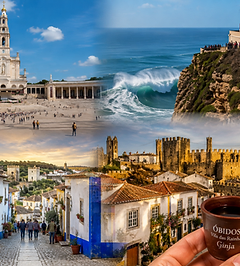
Avoiding toll roads can save money, but it can also turn a simple journey into a much longer one. This is particularly relevant when travelling between cities or heading inland. There is no single right answer: for a slow road trip with overnight stops, non-toll routes may be part of the pleasure. For a day trip from Lisbon to Óbidos, Nazaré and Fátima, the motorway can protect valuable holiday time.
Where a hire car makes the most sense
A car works well when your plans extend beyond city centres. The Douro Valley, Alentejo villages, quieter Atlantic beaches and rural wine regions are all easier to explore with private transport. It is also practical for families carrying pushchairs, luggage or child seats, and for travellers who prefer unplanned stops.
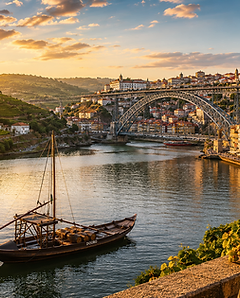
Consider a hire car if you are staying in more than one location, especially if accommodation includes parking. A self-drive route from Porto through the Douro Valley, for example, allows time for viewpoints, small producers and a slower pace that group excursions cannot always offer.
It can also suit travellers who are comfortable with unfamiliar roads and happy to accept that parking may occasionally require a walk. Choose a compact model where possible. Portugal’s older streets were not designed for large vehicles, and a smaller car is easier to park, turn and navigate in historic towns.
When the car becomes more trouble than freedom
If your holiday is centred on Lisbon or Porto, hiring a car for the entire stay is often unnecessary. Both cities are best experienced on foot, by public transport or with arranged transport. Paying for parking while your car remains unused can feel frustrating, and collecting it at the airport only to drive into central Lisbon may be the least enjoyable part of your arrival.
Sintra is another place where travellers often overestimate the benefit of self-driving. The palaces are spread across hills, but the roads can be congested and parking is limited near the most popular sites. A private tour with a local driver removes the need to watch the clock, find a space or decide which access route is open on the day.
The same is true for a full itinerary combining Sintra, Cascais and the coast. These places are close together, but choosing the best order depends on traffic, weather and your interests. A local team can adjust the day as it unfolds rather than following a rigid route planned weeks earlier.
Private tours and transfers offer a different kind of independence
Choosing not to drive does not mean joining a crowded coach excursion. Private tours are designed around your group, with the comfort of a dedicated vehicle and the flexibility to spend more time where it matters to you.
For couples, families and small groups, this can be especially valuable on days that involve several stops. A transfer from Lisbon to Porto, for instance, can become a memorable travel day with time in Óbidos, Nazaré or Fátima, instead of a purely logistical journey. You arrive without the fatigue of motorway driving, luggage concerns or the question of where to leave the car in a new city.
A private driver also creates room for the moments that are difficult to schedule alone: a lunch recommendation in a lesser-known village, a viewpoint worth a short detour, or a change of plan when rain reaches the coast. That is not about giving up autonomy. It is about spending your attention on Portugal rather than road signs and parking machines.
PortuCaleTravel plans private tours, personalised experiences and transfers with local support from booking through to the end of the service. For travellers who value a tailored route but do not want the operational responsibility of driving, it is a comfortable middle ground.
How to choose for your itinerary
Start with your overnight bases. If you are spending three or four nights in central Lisbon, arrange airport transfers and book transport only for the days you leave the city. If your route includes country hotels, vineyard stays or remote beaches, a car may be the most flexible option.
Then consider the rhythm of your group. Travellers who enjoy researching roads, restaurants and hidden stops may love a self-drive holiday. Those travelling with young children, older relatives or a tight itinerary often gain more from having transport and timing handled for them.
Finally, be honest about your confidence. Driving on the right is manageable for most experienced UK drivers, but a long flight, an unfamiliar vehicle and city traffic are not the ideal combination for everyone. There is no prize for driving every kilometre yourself.
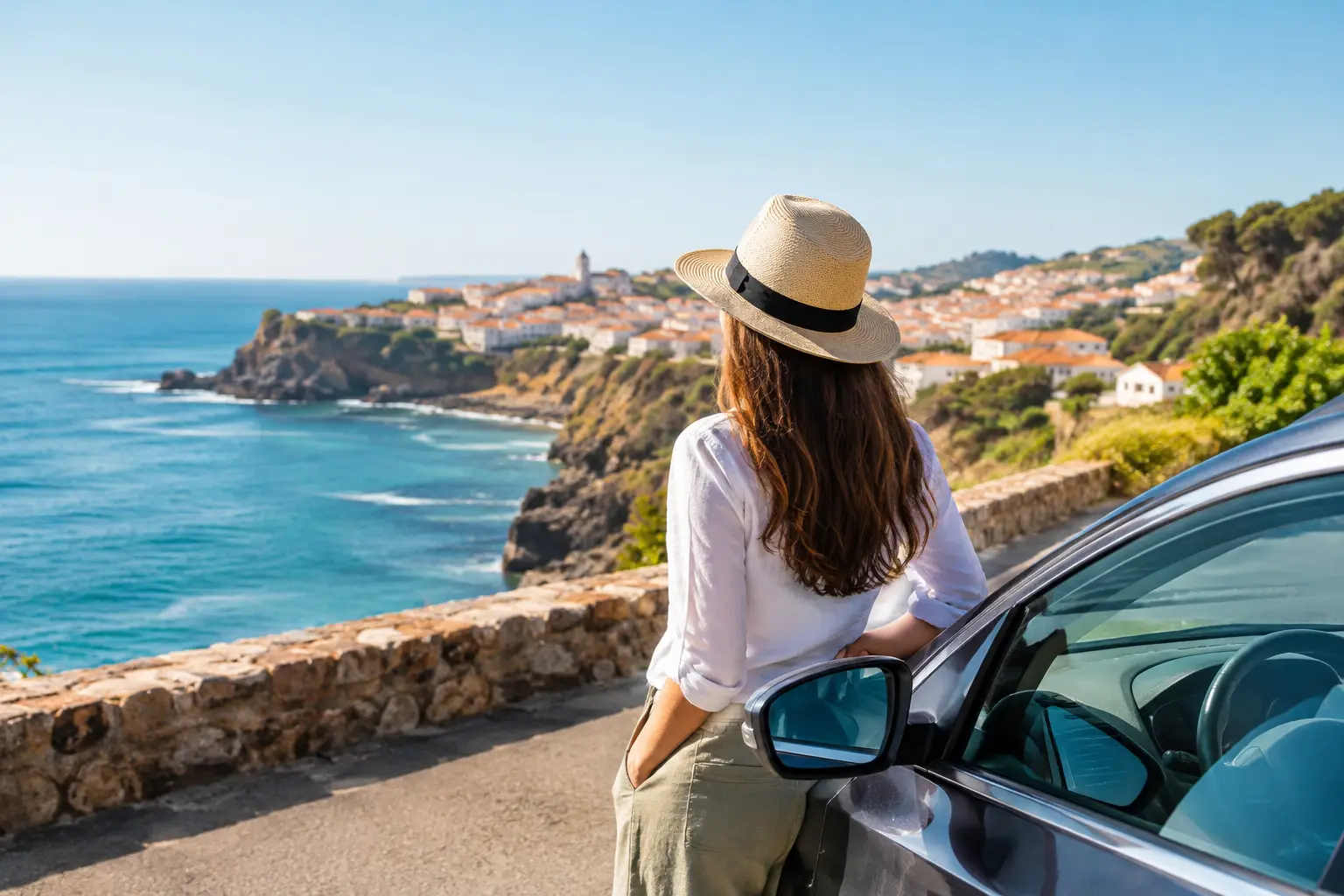
Portugal rewards curiosity, whether you reach a hilltop village in your own hire car or step out of a private vehicle with someone else taking care of the route. Leave enough space in the plan for a longer coffee, an unexpected view and the simple pleasure of arriving without rushing.