

Portugal trains can be a pleasant part of a holiday when the route matches your plans. The journey between Lisbon and Porto, for example, is direct, comfortable and lets you watch the landscape change from city outskirts to vineyards and riverside towns. But Portugal’s most memorable stops are not always beside a station. If your itinerary includes Sintra’s palaces, Fátima’s sanctuary, Nazaré’s cliffs or Óbidos’ medieval streets, choosing the right transport can make a real difference to how relaxed the day feels.
For travellers who enjoy some independence but do not want to spend precious holiday time solving connections, it helps to see the rail network as one useful option rather than the answer to every journey.
Where Portugal trains work best
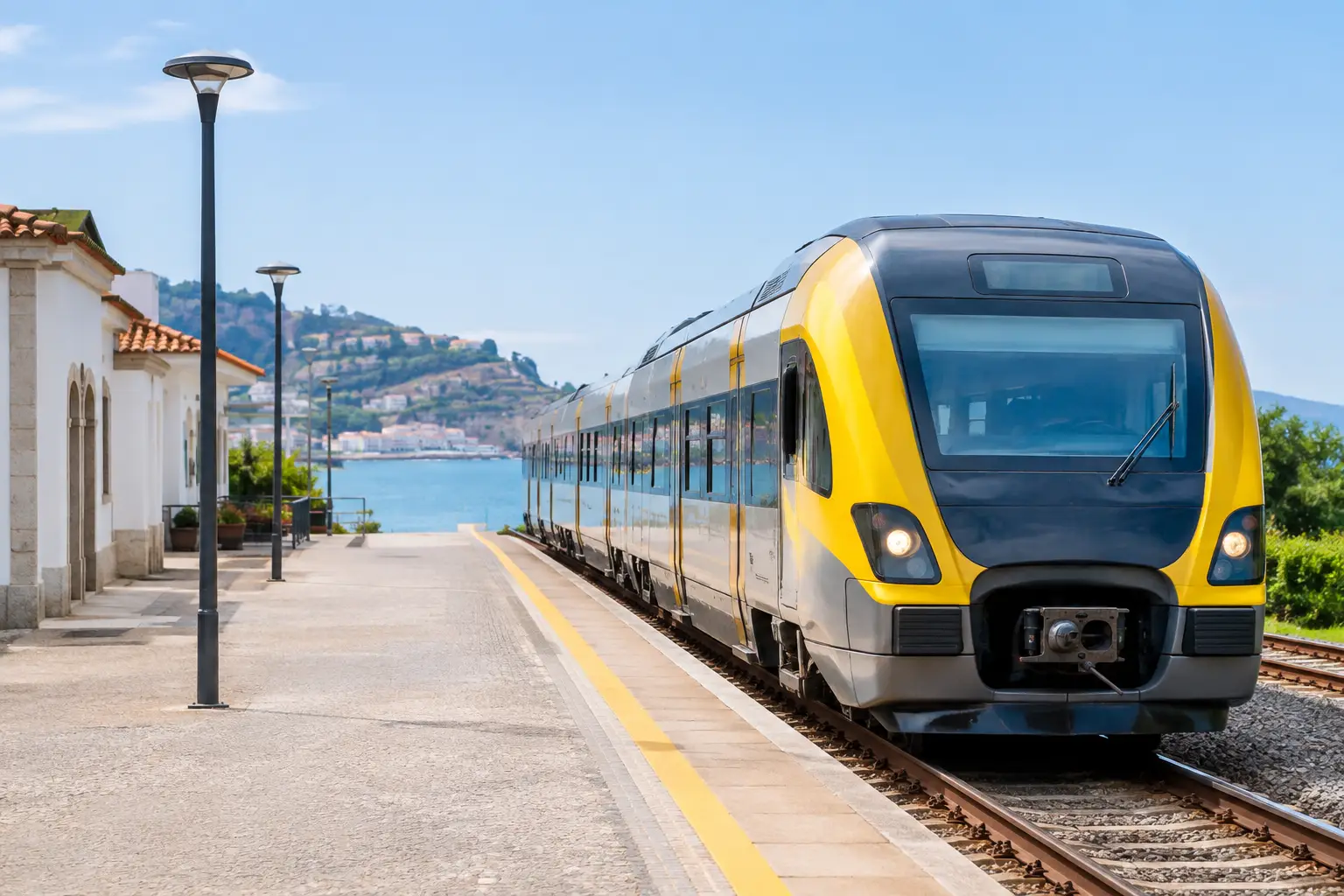
The rail network is particularly useful for travel between Portugal’s larger cities. Lisbon and Porto are well connected by fast intercity services, making a train journey a sensible alternative to hiring a car or taking a domestic flight. It suits couples and smaller groups who are staying near central stations and want a straightforward city-to-city transfer.
There are also convenient suburban routes from Lisbon. The line to Cascais follows the coast and is a good choice for travellers with flexible plans. It is especially appealing if you want to spend time in Belém, Estoril or Cascais without arranging parking. The train to Sintra is another popular route, although the station is only the beginning of the visit. Palaces, gardens and viewpoints are spread across hilly terrain, so you will still need to plan local transport, walking routes or taxis.
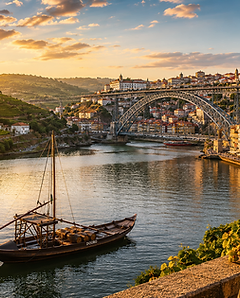
From Porto, regional and suburban trains can work well for nearby destinations, depending on timings. The Douro line is valued as much for the scenery as for the destination: the railway runs beside the river for part of the journey, with views that are difficult to enjoy from the road. It can be an excellent choice when your schedule allows for a slower day.
The key question is not simply whether a train exists. It is whether the station, timetable and onward journey fit the experience you want to have.
Understanding Portugal train types
Portugal’s principal rail operator offers several service categories. The fastest services generally link Lisbon and Porto, while intercity trains serve a wider range of destinations at a more measured pace. Regional and suburban trains are useful for shorter distances but make more stops and can be less convenient if you are travelling with substantial luggage.
For a Lisbon to Porto journey, choosing a faster service is normally worth considering, particularly on a short stay. You gain time for a riverside walk in Ribeira, a cellar visit in Vila Nova de Gaia or a relaxed dinner rather than spending much of the day in transit. On the other hand, a regional train can be the better fit when the route itself is part of the plan and you are not working to a tight timetable.
First-class seating is available on some longer-distance services. It can offer more space and a quieter carriage, but it is not essential for every traveller. The practical value depends on your journey length, budget and how much luggage you are carrying. For a two-hour journey with a light case, standard class is often perfectly comfortable. For a longer transfer at the start or end of a holiday, extra space may feel worthwhile.
The destinations that need more planning
A common mistake is to assume that a station named after a destination puts you at the heart of the visit. This is not always the case, and it matters most on day trips.
Sintra
The train from central Lisbon is a practical way to reach Sintra town, especially for travellers who do not want to drive in an area with narrow roads, steep hills and limited parking. However, Pena Palace, Quinta da Regaleira, the Moorish Castle and Monserrate are not all beside the station. Queues for local buses can be considerable in busy periods, and walking between sights is not always suitable for families with young children or travellers who prefer a gentler pace.
A private tour is often the more comfortable choice when Sintra is part of a fuller day with Cascais, Cabo da Roca or the Lisbon coast. It allows the order of visits to be adjusted around weather, traffic and your interests, rather than around a fixed rail timetable.
Fátima
Fátima is one of the clearest examples of why station location matters. The nearest rail stop is not within walking distance of the Sanctuary. An onward taxi, bus or pre-arranged transfer is required, which adds a connection that needs to be planned carefully. For pilgrims, families and groups with limited time, direct road transport tends to provide a calmer and more practical journey.
Nazaré and Óbidos
Nazaré is famous for its Atlantic setting and giant waves, but it is not an effortless rail day trip from Lisbon. The nearest stations require onward transport, and timetables may not match the time you want by the beach, at the Sítio viewpoint or over lunch.
Óbidos also needs thoughtful planning. Its walled historic centre is compact and wonderfully walkable once you arrive, yet rail services are not always the most time-efficient way to get there. Combining Óbidos with Nazaré, Fátima or a wine-region stop is generally much easier by private vehicle, particularly for a family or group.
Tickets, stations and luggage
For popular long-distance journeys, buying tickets in advance is wise, especially for weekends, school holidays and major events. Earlier booking can offer better availability and, in some cases, more favourable fares. Keep your travel documents and ticket details easy to access, as platforms and departure information should always be checked on the day.
Lisbon and Porto have more than one station, so confirm the departure point before setting out. A train to Porto may leave from a different station than a suburban service to Sintra or Cascais. Allow time to find the right platform, particularly if you are unfamiliar with the city or travelling with children.
Luggage is manageable on most services, but rail travel becomes less effortless when you have several large cases, a pushchair or reduced mobility needs. Stations may involve stairs, lifts that are busy or temporarily unavailable, and a short walk between the entrance and platform. If your accommodation is outside the centre, the door-to-door part of the journey can involve another taxi ride at each end.
That does not mean trains should be avoided. It simply means the total journey should be assessed, not only the time printed on the ticket.
When a private transfer is the better choice
A private transfer or personalised tour is often the better option when you want to visit more than one place, travel with family, carry luggage between hotels or avoid the uncertainty of local connections. It is also valuable when your available time in Portugal is limited. Rather than fitting your day around arrivals and departures, you can leave at a comfortable hour and spend longer where the experience deserves it.
For example, a route from Lisbon to Porto can become much more than a transfer when it includes stops in Óbidos, Nazaré, Coimbra or the Douro region, depending on your interests and the pace you prefer. The journey is organised around your holiday, with room for a viewpoint, a local lunch or an unplanned pause when something catches your attention.
At PortuCaleTravel, private experiences are designed for precisely these situations: combining transport, local knowledge and a route that works for your party. It is not about replacing every train journey. It is about choosing the option that gives you more comfort and less logistical pressure on the days that matter most.
A sensible way to combine rail and road travel
Many well-planned Portugal holidays use both. Take the train for a direct Lisbon-to-Porto journey if you want an easy city-centre connection. Choose a private tour for Sintra and Cascais, or for a day that combines Fátima, Nazaré and Óbidos. Use the coastal train to Cascais for an unhurried afternoon, then return to Lisbon without worrying about driving or parking.
This approach preserves the pleasure of rail travel while avoiding the compromises it can create in smaller destinations. It also gives every member of the group a better experience: one person is not responsible for driving, everyone can enjoy the views, and the itinerary can reflect the pace of your holiday rather than the limitations of a timetable.
Before booking, look beyond the train fare. Consider the station location, onward transport, luggage, travelling companions and the time you want to spend at each stop. The best journey through Portugal is the one that leaves you free to enjoy the country when you arrive.